12th letter on her 12th Anniversary

12th Letter on her 12th Anniversary

Ghar se Ghar Tak
C/O Allah G

Ma!

Kesi ho! Dekho bara baras beet gaye aur ik bhi raat aisi nahi jab tumhari ahat se ankh na khuli ho! Aisa kahan hota hai, har zakham ki aik umer hoti hai, har ghao ka aik waqt hota hai. Kehte hain k waqt har zakham bhar deta hai —kahani he. Maine mehsos kia he jane wale to chale jate hain peeche rehjane wale her lamha us azieat ko sehte hain phir chahe nayi almario me purani hisab ki diarian hun ya purani almari me naye kapre jo ik dafa bhi ne pehne gaye, chahe tumhare jahez ki purani cutlery jo her naye mehman k samne rkhi jaye ya naye store me 1979 ki petian – jin me se her garmi aur sardi tumhari yadein bahar ajati hain. Kehte hain marne wale laut k nahi ate, waqt guzar hi jata hai. Mene bhi suna tha. 12 saal ka taweel arsa us 6 30 se le k aj k 6 30 tk mukamal hua jata hai, na tum wapis ayi na ye azieat thami – ab chahe Graz k ik dalan me aj tumhari yad ka matam peeta jaye ya phr mahnoor ki nani dekhne ki khwahish, chahe fajar k samne dadi ki ik tasweer ho ya Ayaan ka bar bar is bat ka sawal k aj dadi ki barsi he?

Door janglo me ya phir adh safar sarko pe darkht ab bhi sabz hain, ma main q nae, Ma! Parinda ghosla bnalete hain, main q nae. Sab kuch hone k bawajood seenay k wast me ye khala q maye 🙂

Muje aik baat aj tk samjh ne ayi k corridor mein milne wala vo staff, jo apne khyal me ye kehgya k Kamra 4 clear karwa do, iska kya mtlb tha, Wo hooter wali ambulance, vo Susan road, wo dadi ka girya , ah o baka, ye kahanian kyun ne purani hoti, ye dukh Yajooj Majooj ki uss deewar jesa kyun he, jo raat ko dehti dehti subah dobara khari hojati he. Maa ye nahin ho skta, mein is se agey ne ja skta. Is zakhm ki shidat ussi shiddat se mehsoos hoti hai. Khan Sb kehte hain pehli barsi pe maine us ghar ki dewaron ko baqaida sog me doobe dekha, maine b kal onchi awazo aur shaded shor me tumhare jane ki khamoshi usi shidat se mehsoos ki – shaied deware b ab tak agay nahi jaski, sofay badal gaye, dewaro pe rang naya agya per so gaur udasi ab bhi wohi purani he – tumhara bed ne rha, wo kursi askolay agyi per tum usi kamre me usi lamhe me wahi hu – bilkul wohi o

Muje btao na k jb mein toota hun to main kiske pas jaun, muje btao na k Ma wale mashware karne hain mein vo kis mitti se karun, muje btao k jb kisi ko dua ati he to mein kiska chehra dekhun, muje to nahin lgta k yahan se kahani agey jayegi. Kahani agey nahin jati, ye roz ussi shiddat se agey ati hai.

تم میرا دکھ بانٹ رہی ہو اور میں دل میں شرمندہ ہوں…
‏اپنے جھوٹے دکھ سے تم کوکب تک دکھ پہنچاؤں گا

Mene dekha he k jab cancer kisi insan k ander utarta hai to uska jism sabse pehle harta he – tum nahi hari Ma! Maine tumhe us se larte dekha tum ne to bus chehra udhr kia aur phr shaied sab khamosh hogya. Mene to pichli raat wo peelay paon bhi dekhe jo ab faqt dhancha the aur us larki ko b jis ne aglay din apni sab se bari khushi, apne sab se bare gham k sath muskura k guzari, mujhe masla Janay walo se kab he, Main kab Allah Sahab se ikhtilaf kerta hu mujhe to peechay reh jane walo ka gham khajata he. Wo jo tumhari ankh se akhri ansoo gira, vo kis k liye tha? Muje btao, Itni khamosh maut itni shor wali zindagi mein mere liye azab q bn gyi?

Maye! Ye kese ho skta hai k mein kisi aur mansab pe kisi aur insan ko rkhdu, asman ki qad o kamat koi aur cheez poori ne kar skti, tum to mera asman thi. Na jane q jb log apni maon ko rad karte hein, ya kissi duniyavi khwahish pe unki kokh pe sawal krte hain, ya kitni asani se un k bagair koi farq na parne ka dawa krte hain to main unhe btao k unhe jawab miljate hain – us awaz ki qadar kre q k phr qabron k pas ja k poochen to qabren jawab bhi ne detin.

Ma! log hadse se nikal bhi ayen hadsa unke ander se nahin nikalta. Kuch kahanian aik hi nuqte pe thehr jati hein uss se agey nahin nikal sktin. Khair meri aulad ki khwahish ab tk us mehromi k khauf k talay zinda he aur shaied ye dono ab ziada mazbot hoti jarhi hain – tumhare sath darkht sabz he so mujhe iman he k tum b apne Rab k han mukamal sabz ho. Main zameen pe sab tohmaton k bawajod logo me apne hisay ki asanian tumhari qurbat k lalach me guzar rha hun!
Khair is shab-e-ashur k 2 din bad Eid he so han sab acha he ya sab acha dikhta nazar ayega. Ma jaye parinde aur pair tere haq me asanio ki dua kere yahan Sab acha sab theak he maye!
Tera
Haider


ماں !
کیسی ہو ! دیکھو بارہ برس بیت گئے اور اِک بھی رات ایسی نہیں جب تمہاری آہٹ سے آنکھ نا کھلی ہو ! ایسا کہاں ہوتا ہے ، ہر زخم کی ایک عمر ہوتی ہے ، ہر گھاؤ کا ایک وَقت ہوتا ہے . کہتے ہَیں کے وَقت ہر زخم بھر دیتا ہے —کہانی ہے . میں نے محسوس کیا ہے جانے والے تو چلے جاتے ہَیں پیچھے رہجانے والے ہر لمحہ اس ازیت کو سہتی ہَیں پِھر چاھے نئی الماریو میں پرانی حساب کی ڈائیریاں ہوں یا پرانی الماری میں نئے کپڑے جو اِک دفعہ بھی نے پہنے گئے ، چاھے تمھارے جہیز کی پرانی کتلیری جو ہر نئے مہمان کے سامنے رکھی جائے یا نئے سْٹور میں 1979 کی پیتیان – جن میں سے ہر گرمی اور سردی تمہاری یادیں باہر آجاتی ہَیں . کہتے ہَیں مرنے والے لوٹ کے نہیں آتے ، وَقت گزر ہی جاتا ہے . میں نے بھی سنا تھا . 12 سال کا طویل عرصہ اس 6 30 سے لے کے آج کے 6 30 تک مکمل ہوا جاتا ہے ، نا تُم واپس آئی نا یہ ازیت تھمی – اب چاھے گراز کے اِک دالان میں آج تمہاری یاد کا ماتم پیتا جائے یا پھر ماہ نور کی نانی دیکھنے کی خواہش ، چاھے فجر کے سامنے دادی کی اِک تصویر ہو یا عیاں کا بار بار اِس بات کا سوال کے آج دادی کی برسی ہے ؟

دور جنگلوں میں یا پِھر آدھ سفر سڑکوں پہ درخت اب بھی سَبْز ہَیں ، ماں میں کیوں نئی ، ماں ! پرندے گھوسلا بنالیتی ہَیں ، میں کیوں نئی . سب کچھ ہونے کے باوُجُود سینے کے وسط میں یہ خلا کیوں مائے : )

مجھے ایک بات آج تک سمجھ نی آئی کے کوری ڈور میں ملنے والا وہ اِسْٹاف ، جو اپنے خیال میں یہ کھ گیا کے کمرا 4 کلیئر کروا دو ، اس کا کیا مطلب تھا ، وہ ہوتر والی ایمبولینس ، وہ سوسان روڈ ، وہ دادی کا گریا ، آہ و بقا ، یہ کہانیاں کیوں نے پرانی ہوتی ، یہ دکھ یاجوج ماجوج کی اس دیوار جیسا کیوں ہے ، جو رات کو دہتی دہتی صبح دوبارا کھڑی ہوجاتی ہے . ماں یہ نہیں ہو سکتا ، میں اِس سے آگے نی جا سکتا . اِس زخم کی شدت اسی شدت سے محسوس ہوتی ہے . خان سب کہتے ہَیں پہلی برسی پہ میں نے اس گھر کی دیواروں کو باقاعدہ سوگ میں ڈوبے دیکھا ، میں نے بھی کل اونچی آوازوں اور شدید شور میں تمھارے جانے کی خاموشی اُسی شدت سے محسوس کی – شاید دیوارین بھی اب تک آگے نہیں جاسکی ، صوفے بَدَل گئے ، دیواروں پہ رنگ نیا اگیا پر سوگوار اُداسی اب بھی وہی پرانی ہے – تمہارا بیڈ نہی رہا ، وہ کرسی اسکولے اگیی پر تُم اُسی کمرے میں اُسی لمحے میں وہی ہو – بالکل وہی ہو
مجھے بتاؤ نا کے جب میں ٹوٹا ہوں تو میں کس کے پاس جاوں ، مجھے بتاؤ نا کے ماں والے مشورے کرنے ہَیں میں وہ کس مٹی سے کروں ، مجھے بتاؤ کے جب کسی کو دُعا آتی ہے تو میں کس کا چہرہ دیکھوں ، مجھے تو نہیں لگتا کے یہاں سے کہانی آگے جائے گی . کہانی آگے نہیں جاتی ، یہ روز اسی شدت سے آگے آتی ہے .

تم میرا دکھ بانٹ رہی ہو اور میں دل میں شرمندہ ہوں . . .
اپنے جھوٹے دکھ سے تم کوکب تک دکھ پہنچاؤں گا

میں نے دیکھا ہے کے جب کینسر کسی اِنسان کے اندر اترتا ہے تو اسکا جسم سب سے پہلے ہارتا ہے – تُم نہیں ہاری ماں ! میں نے تمہیں اس سے لڑتے دیکھا تُم نے تو بس چہرہ ادھر کیا اور پھر شاید سب خاموش ہو گیا . میں نے تو پچھلی رات وہ پیلے پاؤں بھی دیکھے جو اب فقط ڈھانچہ تھے اور اس لڑکی کو بی جس نے اگلے دن اپنی سب سے بڑی خوشی ، اپنے سب سے بڑے غم کے ساتھ مسکرا کے گزاری ، مجھے مسئلہ جانے والو سے کب ہے ، میں کب اللہ صاحب سے اِخْتِلاف کرتا ہو مجھے تو پیچھے رہ جانے والو کا غم کھاجاتا ہے . وہ جو تمہاری آنکھ سے آخری آنسو گرا ، وہ کس کے لیے تھا ؟ مجھے بتاؤ ، اتنی خاموش موت اتنی شور والی زندگی میں میرے لیے عذاب کیوں بن گئی ؟
مائے ! یہ کیسے ہو سکتا ہے کے میں کسی اور منصب پہ کسی اور اِنسان کو رکھدو ، آسْمان کی قد و کامت کوئی اور چِیز پُوری نے کر سکتی ، تُم تو میرا آسْمان تھی . نا جانے کیوں جب لوگ اپنی ماؤں کو رد کرتے ہیں ، یا کسی دنیاوی خواہش پہ انکی کوکھ پہ سوال کرتی ہَیں ، یا کتنی آسانی سے ان کے بغیر کوئی فرق نا پڑنے کا دعوہ کرتی ہَیں تو میں انہیں بتاؤ کے انہیں جواب ملجاتے ہَیں – اس آواز کی قدر کری کیوں کے پھر قبروں کے پاس جا کے پوچھیں تو قبرین جواب بھی نی دیتیں .
ماں ! لوگ حادثے سے نکال بھی آئیں حادثہ ان کے اندر سے نہیں نکلتا . کچھ کہانیاں ایک ہی نکتے پہ ٹھہر جاتی ہیں اس سے آگے نہیں نکل سکتی . خیر میری اولاد کی خواہش اب تک اس محرومی کے خوف کے تلے زندہ ہے اور شاید یہ دونوں اب زیادہ مظبوط ہوتی جارہی ہَیں – تمھارے ساتھ درخت سَبْز ہے سو مجھے ایمان ہے کے تُم بھی اپنے رب کے ہاں مکمل سَبْز ہو . میں زمین پہ سب تہمتوں کے باوجود لوگوں میں اپنے حصے کی اسانیان تمہاری قربت کے لالچ میں گزر رہا ہوں !
خیر اِس شب اشور کے 2 دن بعد عید ہے سو ہاں سب اچھا ہے یا سب اچھا دکھتا نظر آئیگا . ماں جائے پرندے اور پیڑ تیرے حق میں آسانیو کی دُعا کرے یہاں سب اچھا سب ٹھیک ہے
مائے !
تیرا حیدر
Hijrat- A reflection on shifting home

4-May-2018: 9:18 pm
Today it’s the last night.
Last night in the house which has been a home for me for 15 years. We moved into this house on shab e barat and we’re moving out a few days after shab e barat. Indeed He’s the master of patterns.
The past few weeks have been very hard. I had thought that moving into a new house would bring a lot of excitement, because that’s how normal human emotions are supposed to function, right? But it didn’t bring excitement, it brought back the memories, happy and excruciatingly painful ones too, lots of nostalgia and a truck loaded of anxiety about the future. I guess somewhere between excitingly visiting the new house again and again and planning which room was whose and then not visiting the new house for even once I grew up, or perhaps died.
The most significant memories of this house are the ones involving Dadi ama. How she used to sit on her charpayi in the sehan, praying. I bed I sleep on once used to be her bed. I still find her things from the side rack. The past days I have relived the scene a hundred times when Mama Papa and phupo took her to the hospital few hours before she passed away. I was standing in the stairs, when I glanced at her and she was almost not breathing, it was then that I prayed for the first time to God that do whatever’s best for her rather than praying that she gets well, and oh God did I hate myself for praying that later.
They brought her back to house after half an hour, we laid her on her charpayi in the lounge, because we knew it was time. Bilal was reciting Surah Yaseen near her ear. Standing by her side, looking at her pale face, trying to stop myself from bursting into tears, I noticed her slowly stopped breathing, and then Mama started crying so I couldn’t hold on any longer and I burst into tears too realizing that she’s gone now…
This house had witnessed may stories. And that’s why it’s the hardest to leave it because its hard to let go of it all.
Watching movies and dramas with fahad and bilal on the PC after mama papa went to sleep. Thinking that we were asleep too. But whenever Mama came downstairs at 3 am I was the only one sitting infront of the PC while fahad bilal would rush to the bed pretending to sleep, I couldn’t because I was always incharge of operating the computer, hence was the one scolded 😀
Playing need for speed and age of empires all day long non-stop with bilal when mama papa were gone to a death in gaon and it used to be our fun day. Trying new recipes and making bilal eat them all. Writing letters to fahad when he was in Skardu. Talking for hours on the phone with Maria. Licking my chili mili wala lollipop while sitting on the watertank and counting the mobile towers from there with bilal. Having newspaper fights with them in the store and then getting scolded by mama whenever she saw the mess. Water balloon fights with all the cousins which angered our neighbors, hence getting scolded again. Playing badminton in the garage and table tennis on the dining table. Spending hours reading books on the DIY swing I built in the sehan and dadi ama scolding me for breaking her pillows which I used as a seat on it. The nest sparrows built on the tubelight which we tried a hundred times not to let them but eventually gave in to their persistence. Not because it caused a mess but because everytime the fan was turned on it killed one of them when they flew in it. So we stopped turning that fan on. Still every year one of their kids drops from the nest and we make it eat roti and drink water forcefully because its too little to eat anything on its own. Untangling it from the mesh of threads its feet were stuck into 😊 All the children who spent few days of their childhood here. Abdul wasay still tries to knock down the nest everytime he visits and we still have to bribe him not to do that!
I will miss every corner of this house. From the loose curtain handle of my room to my washroom door which gets stuck and made me accept my depression, I have a memory associated to everything…
In this last week home stopped feeling like home, because all the stuff was divided between two houses. Endings are indeed always painful.

Disclaimer: This is a reflection by Rida Rafique while she moved from a home to a house but many of us can connect on the nodes she traveled through.

Ainwe Kahani

I normally don’t write much now it’s more of audio notes now, but I feel i should be vocal in my digital space else I might die of suffocation. I believe we are nothing but the stories we tell and stories we live. It’s always a same pattern when you look at lives from elevation. Emotions are painful, your relationships damage you, everyone trades with their investment in you with the behavior they expect from you. All these damaged souls are made fun of because people think cheering them up in this way would help. Trust me it doesn’t. No one can narrate the experience of pain other than damaged ones. Pursuing passion is painful and investing in humans is a thankless job yet we continue doing it because we believe we would be able to find our peace in one way or another.

Let’s be listener for a while, cure for a difference and healer for an experience. Accept people as they are, love them unconditionally without caging them and travel between human stories and you will figure out your truth and purpose and let people call it rant or tag u as attention seeker or sum it up all as ‘Ainwe Kahani’

Cheers

Perfectly alright

“I am all good. Its perfectly alright. Its a blessing, living your passion. Oh yes! I travel alot, its fun. There’s nothing better than human soul on fire.”

Its nothing but certain roles I switch. I have realized its all about ones self. You have to be ok to avoid un-necessary questions, undesired assumptions and clueless judgments. The digital space is suffocating and 3 a.m. conversations trigger more anxiety. The concept of art, fire, wildness and intensity are too over-rated and people have their own versions of every thing they just want us to fit in one.

Nevertheless, its an amazing day 🙂

Celebrate Past 

​I’ve never understood why it’s considered weak to send positive vibes and love to people from your past. Why a happy birthday text to an ex, a congratulation on the new job to a former bestfriend, or a straight out I miss you to someone you had a fall out with is frawned upon.
It is so much easier to hate than it is to love…I could honestly say I still care about every person I’ve ever loved. I’ve never understood why showing love and compassion to people who have wronged me in the past is seen as an act of vulnerability or is supposedly offensive to my pride. You know what’s weak? Hatred, hostility, bitterness, apathy, and forcing ourselves to hold back on kindness because society says so.

Mariam Badawi 

This thought is so spot on and is very much found in our society. People love being negative and judgmental while they stop themselves from loving. Being in pain of hating anyone is acceptable to them rather then replying to a pure feeling. If moving on is like this it’s quite weak rationale of love.

Sahib jise nafrat krte o woh tumhara hi intekhab tha 🙂 Aur Fankar fan-paro se hota he

Ik aur khat :)

Teesre Asman se Tum tk ik aur khat

Behad pyari ma
Kesi ho

Main kal aya tha tumhare bete ki shadi ka card le k per tumne mitti nae hatai so main laut aya. Ye kya bat hui hazar mashware krne hote ab itni b kya k tum chand lamho ko mitti hata k bahar na ao.
Tumhare bache kehte hain shadi me chand din rehgye, ghar tiko — per tum janti ho na main bachpan se muqable krta hu, so tum ne jab hassan ki shadi pe sab kia aur meri bar mitti b nae hatai to main kyu tiko. Kab tak ab Maria sab kre had hoti he! Beti b arae per nae tum na do lamho ko mitti hatana. Han bhai hu main haider, sabz jazbo k sath yasrab walo k asool b manta hu per itna b nae k sab jane du.

Khair choro logo ko card bhejdiye, ghar b saj jayega aur siwae mere sab ne boht mehnat b ki he. Rha main to tumhare bad ab khud ko us k sapurd krdunga. Use samjha dena k ladla hu aur ye 10 sal khud pe Kate hain tumhare diye me khyanat nae ki aur age b nae hogi.

Acha ab theak he! Kam krluga wazan per tum sath rehna aur upar ko mukamal sajana pata chale bin ma k bache ka Jashn ziada dhoom dam se hota he q k her rishta us rishte ka haq ada krta he.

Jashn ho. Mujhe yaqeen he upar na 10 baje ki shart he na 1 dish ki pabandi s

Letter to Wardah – My better half

بہت پیاری وردہ!
لاءلپور

تمہیں خط لکھنے کے لیے آج سے بڑھ کر اور کونسا دن ہوتا.. بتاؤ بھلا؟ شکر ہے آسمانوں پہ زمینوں جیسی مجبوریوں کی ہتھ کڑیاں نہیں ہیں.. تم جانتی ہو حیدر مجھے اکثر خط لکھتا ہے اور رلا بھی دیتا ہے.. سوچا آج میں بھی لکھ ڈالوں.. حیدر کو اس لیے نہیں لکھ رہی کہ اسکی دیوار پہ ویسے ہی بہت ہجوم رہتا ہے جس سے مجھے الجھن ہوتی ہے.. معلوم نہیں تمہیں ہجوم بھاتا ہے یا نہیں.. مگر اب تو نصیب میرے بیٹے سے جڑ گیا ہے سو سنبھال لینا

بیٹیاں عجب شے ہوتی ہیں.. جب گھر میں ہوتی ہیں تو پتہ ہی نہیں چلتا کہ کیا کچھ گھر میں صرف ان ہی کی وجہ سے ہے.. اور جب چلی جاتی ہیں تو احساس ہوتا ہے کہ ان کے بغیر تو گھر میں جیسے کچھ تھا ہی نہیں.. اور تم تو ہم سب کی امید ہو.. رات جب تم نے مجھے ہاتھ پاؤں پہ لگی مہندی دکھائی تو میرے دل سے دعا نکلی کہ خدا تمہارا مقدر بہت روشن رکھے اور تم میرے آنگن کے لیے بہت نیک ثابت ہو.. آسمانوں پہ وقت جیسی کوئی چیز نہیں اس لیے نہیں معلوم وہاں ابھی کیا ہوا چاہتا ہے مگر شاید تم ابھی سج رہی ہوگی.. میرے بیٹے کے لیے.. حیدر کے لیے..

میں دیکھ رہی تھی جیسے جیسے شادی قریب آرہی تھی ہر لڑکی کی طرح تمہاری اداسی اور اندیشے بڑھ رہے تھے..مگر کیا یہ خوش ہونے کے لیے کافی نہیں کہ تم اپنوں میں جا رہی ہو؟ میرے گھر آرہی ہو.. میں نے کہا تھا ناں نکاح کے بندھن میں بندھتے ہی تمہیں سکون آجاءے گا. جیسے دھوپ میں سر پہ کوئی بادل کا ٹکڑا آ کھڑا ہو.. سایہ دینے والا.. اپنے اندر چھپا لینے والا..ٹھنڈا.. نرم.. سکون دینے والا..
اچھی واردہ!
محبت یا شادی کا یہ مطلب نہیں ہوتا کہ ہم ایک دوسے کو اپنے اپنے ہاتھ کی مٹھی میں بند کر کے رکھنا شروع کر دیں..اس سے رشتے مظبوط نہیں ہوتے, دم گھٹنے لگتا ہے.. ایک دوسرے کو اسپیس دینا, ایک دوسرے کی انفرادی حیثیت کو تسلیم کرنا, ایک دوسرے کی آزادی کے حق کا احترام کرنا بے حد ضروری ہے.. بیٹا امید کو ڈھونڈا نہیں جاتا, امید کو رکھا جاتا ہے..اپنے اندر, اپنے دل میں, اپنے ذہن میں.. چند دنوں میں بیج زمین کی مٹی سے باہر آ تو جاتا ہے مگر درخت بننے میں بہت دیر لگتی ہے..لیکن وہ درخت بنت ضرور ہے..اگر اسے پانی دیا جاتا رہے..اگر مٹی کو نرم رکھا جائے.. بیٹا ہمیشہ یاد رکھنا صفر کی طرح زندگی بسر کرو, جسکی ضرورت ہر عدد کو ہوتی ہے.. جس کے ساتھ لگے اسکی قدروقیمت کیء گناہ بڑھا دیتا ہے..جب ہم صفر ہوتے ہیں تب بھی بہت قیمتی ہوتے ہیں..اس کائنات میں کچھ بھی بیکار نہیں ہے..اور ویسے بھی ہر گنتی کا آغاز بھی تو صفر سے ہی ہوتا ہے ناں!
تم جس گھر کو جا رہی ہو اسکی بنیادوں میں میری محبت جسم میں دوڑتے خون کی مانند شامل ہے.. میں نے بہت محنت اور محبت سے اس مکان کو گھر بنایا.. ایسا گھر جو مثالی ہو.. ہر آنے والے کو میری مامتا کے جیسے اپنی بانہوں میں سمیٹ لے اور روح کا سا سکون میسر کرے.. میرے سارے بچے آج اپنی اپنی جگہ سرخرو ہیں.. زاءرہ نے میرے بعد گھر سے محبت رخصت نہ ہونے دی.. میری دونوں بہوؤں نے میرے گھر کو خوشیوں سے بھرا اور سب کو جوڑے رکھا.. مجھے ان سب پر مان ہے..میرے یہاں آنے کے بعد یوں تو سب ہی تنہا ہوئے مگر افضال صاحب اور حیدر نے یہ سزا سب سے زیادہ کاٹی.. میرا تم پہ یقین ہے کہ تم یہ خلا بھر دوگی میری گڑیا!
کوئی بھی شادی فیری ٹیل نہیں ہوتی.. اور اگر ہوتی ہے تو یہ وہ فیری ٹیل ہے جس میں ایک جن ضرور ہوتا ہے اور اس جن کے ساتھ سمجھداری سے چلنا پڑتا ہے.. عورت کے پاس اسکے علاوہ کبھی کوئی آپشن رہا ہی کب ہے.. تم بھرپور کوشش کرنا کہ تم دونوں کے بیچ کبھی زیادہ خاموشی نہ آءے.. میاں بیوی کے درمیاں بات چیت ہوتی رہنا چاہیے۔ عورت کا سب سے بڑا مسئلہ یہ ہے کہ وہ مرد کو ضرورت سے زیادہ بہادر سمجھتی ہے..اس وقت بھی جب وہ ریت کی دیوار کی طرح ڈھے رہا ہوتا ہے..بیٹا مرد ہو یا عورت کوئی بھی زندگی کے ہر لمحے میں بہادر نہیں رہ سکتا.. بہت ساری چیزیں انسان کو کمزور کر دیتی ہیں.. مگر کمزور لمحوں میں تسلی کے لفظ بولنے والا انسان کے دل کے بہت قریب رہتا ہے.. اور اگر وہ بیوی ہو تو رشتہ بہت گہرا ہوجاتا ہے.. ماں چاہے کتنی ہی عظیم ہو بہٹا مگر وہ کبھی بیوی نہیں بن سکتی.. دیکھو خدا نے یہ کرم حیدر کی زندگی میں آنے والی کسی اور ہمجولی کے نصیب میں نہیں لکھا.. وہ میرا لاڈلا اور بگڑا ہوا بیٹا ہے تم اسے بتانا کہ تم اسے کتنا یاد کرتی ہو.. کہ تم اسکا کتنا انتظار کرتی ہو.. کہ تم زندگی کی اس کٹھن راہگزر میں اس کی ہمیشہ کی سہیلی رہوگی!
دیکھو زرا! میں لکھنے بیٹھی تو لکھتی چلی گئی.. دھیان ہی نہیں رہا.. میں اپنے ہمسفر اور اپنے بیٹوں جیسا اچھا خط تو نہیں لکھ سکتی.. ان کے ذہنوں سے تو تاثیر کی شاخیں پھوٹتی ہیں اور خوبصورت الفاظ پرندوں کی طرح ان پر آ بیٹھتے ہیں.. مگر یہ بے ربط خط جزبے کی اس صداقت کے ساتھ لکھا ہے جس پہ میرا کبھی اختیار نہیں رہا.. اور زنگی بے ربط ہی تو ہے.. ہم کہاں بھلا اپنی ذندگیاں خود لکھتے ہیں.. تمہارا میرا رشتہ ہمیشہ یونہی سہیلیوں جیسا رہے گا.. تم ہمارہ بہترین انتخاب ہو.. میں بہت خوش ہوں.. اور یہ احساسات کسی عالم بالا کی چیزیں نہیں ہیں بلکہ یونہی زندگی کی سطح پر کھیلنے والی لہریں ہیں..
یہاں سب اچھا ہے.. تم دلہن کے روپ میں بے پناہ خوبصورت لگ رہی ہو.. صہیب یقیناً تمہارا صدقہ اتار دیگا.. اپنی آنکھوں اور دل کو یونہی پاکیزہ رکھنا.. میرے گھر کا خیال رکھنا.. میرے رشتوں کا خیال رکھنا.. اور ہاں.. پودوں کو پانی اور میرے گھر کا صدقہ اپنے ہاتھ سے دیا کرنا..میری دعائیں ہمیشہ تمہارے ساتھ رہینگی.. میرے بچے ہمیشہ تمہارے ساتھ رہینگے..

بہت پیار,
امی,
کہیں آسمانوں میں..

Letter by Asma to me :)

The day is finally here. You’re getting married. To a lovely young woman, too. Another milestone in your life. You have learned a lot throughout and gained immense popularity.. But this milestone is huge. This is being an adult, big-time. I’ll spare you the “it seems like only yesterday” that I remember so and so or such and such. Well – maybe just one … it seems like yesterday that I visited Layllpur and offered you Nestle guava at Daira’14.
Now you are to be Wardah s husband, I would like to share something I have learned along the way… important things; vitally important things. Like the need for trust, respect, honesty, equality and communication in a relationship.

To trust the other person with yourself. To respect the dignity of another human being at all costs. To seek the truth and be honest, always. To recognize your spouse as different, but equal. Above all, to keep the communication channels open, even when you don’t feel like it.

If you remember these things, almost any differences – and there will be plenty of those – can be resolved in a mutually beneficial way.Marriage is not easy. Sometimes it’s a challenge to remember those vows, even on a day-to-day basis. But it’s worth it. Human beings were made for companionship, to work in partnership, to experience love.

And remember that you can love someone but not always like them. Go easy on yourself; you’re only human. And so is your wife. No one is perfect, and no one has all the answers. Everyone has good days and not-so-good days. But when the two of you work together, you’ll get through just about anything that life puts in front of you.
Remember, too, not to lose yourself in another person. There’s that wonderful part of the two of you that no one else can touch, but it’s so important to allow each other your own identities as well. You will be a husband to Wardah , son to uncle Afzaal , father to your kids and uncle to the rest of the kids of Al’Miraj. but you’ll also always be simply Haider , with your own interests apart from those as a couple. The Haider who never loses himself, yet becomes better because of his partner in life. That’s so important.
There are some rules in fair fighting, and one of the biggest is to let the past rest in the past. Once you have resolved something, don’t keep bringing it up to re-hash it. That’s not fair. Once it’s done, it’s done. End of story. Mind it, what you say at home stays at home. Remember, too: don’t keep score; marriage is not a competition. It’s a partnership of equals. And don’t be afraid to ask for your own space…everyone needs to breathe, some times more than others. Also remember that your happiness is not your spouse’s responsibility – you are responsible for your own happiness. As for drama – well, keep that to a minimum.

I wish you happiness and joy, contentment and peace. But most of all, I wish you kindness and strength.. Always.. A very happy wedding to you and your better half.

PS: A big shout out to your fan club for not letting us feel that we are missing something, for updating us with every single activity. THANK YOU!!!

Ten Rules of Writing

The following is from Amitava Kumar’s essay collection Lunch with a Bigot. A mix of memoir, reportage, and criticism, these essays explore how Kumar, a Professor of English at Vassar College, practices being a ‘writer in the world.’

When I was promoted to the rank of professor, the library at the university where I was then employed asked me to send them the name of a book that had been useful to me in my career. I chose V. S. Naipaul’s Finding the Center. The library then purchased a copy, which was duly displayed in one of its rooms, with a statement I had written about the book:

This was one of the first literary autobiographies that I read. Its very first sentence established in my mind the idea of writing as an opening in time or a beginning: that sentence conveyed to me, with its movement and rhythm, a history of repeated striving, and of things coming together, at last, in the achievement of the printed word: “It is now nearly thirty years since, in a bbc room in London, on an old bbc typewriter, and on smooth, ‘non-rustle’ bbc script paper, I wrote the first sentence of my first publishable book.” This first sentence—about a first sentence—created an echo in my head. It has lasted through the twenty years of my writing life. The ambition and the anxiety of the beginner is there at the beginning of each book. Every time I start to write, I am reminded of Naipaul’s book.

But that wasn’t the whole truth, neither about Naipaul, nor about beginnings. The sentence I had quoted had mattered to me, yes, and so had the book, but what had really helped was Naipaul’s telling an interviewer that in an effort to write clearly he had turned himself into a beginner: “It took a lot of work to do it. In the beginning I had to forget everything I had written by the age of 22. I abandoned everything and began to write like a child at school. Almost writing ‘the cat sat on the mat.’ I almost began like that.”

And I did that too, almost. About a decade ago, soon after I had received tenure, Tehelka asked me to come aboard as a writer. I was visiting my parents in India at that time; it was winter, and I went to the Tehelka office to talk to the editors. Later, when we were done, I was taken around for a tour of the place. There was a pen-and-ink portrait of Naipaul on the wall because he was one of the trustees. And high above someone’s computer was a sheet of paper that said “V. S. Naipaul’s Rules for Beginners.” These were rules for writing. It was explained to me that Naipaul was asked by the Tehelka reporters if he could give them some basic suggestions for improving their language. Naipaul had come up with some rules. He had fussed over their formulation, corrected them, and then faxed back the corrections. I was told that I could take the sheet if I wanted. A few days later I left India and the sheet traveled with me, folded in the pages of a book that I was reading. In the weeks that followed, I began writing a regular literary column forTehelka, and, in those pieces, I tried to work by Naipaul’s rules. The rules were a wonderful antidote to my practice of using academic jargon, and they made me conscious of my own writing habits. I was discovering language as if it were a new country. Like a traveler in a new place, I asked questions, took notes, and began to arrange things in a narrative. I followed the rules diligently for at least a year, and my book Bombay-London-New York was a product of the writing I did during that period. Here, then, are “V. S. Naipaul’s Rules for Beginners”:

Do not write long sentences. A sentence should not have more than 10 or 12 words.

Each sentence should make a clear statement. It should add to the statement that went before. A good paragraph is a series of clear, linked statements.

Do not use big words. If your computer tells you that your average word is more than five letters long, there is something wrong. The use of small words compels you to think about what you are writing. Even difficult ideas can be broken down into small words.

Never use words whose meanings you are not sure of. If you break this rule you should look for other work.

The beginner should avoid using adjectives, except those of color, size and number. Use as few adverbs as possible.

Avoid the abstract. Always go for the concrete.

Every day, for six months at least, practice writing in this way. Small words; clear, concrete sentences. It may be awkward, but it’s training you in the use of language. It may even be getting rid of the bad language habits you picked up at the university. You may go beyond these rules after you have thoroughly understood and mastered them.

In their simplicity and directness, I do not think the above rules can be improved upon. A beginner should take them daily, like a dose of much-needed vitamins. Of course, rules can never be a substitute for what a writer can learn, should learn, simply by sitting down and writing. But I offer my own students rules all the time. On the first day of my writing class this year, I handed out xeroxed sheets of rules by Ray Bradbury, not least because he offers the valuable advice that one should write a short story each week for a whole year. Why? “It’s not possible to write 52 bad short stories in a row.”

I have also prepared my own list of rules for my students. My list isn’t in any way a presumption of expertise and is offered only as evidence of experience. I tend to teach by example. These habits have worked for me and I want my students to use them to cultivate the practice of writing.

1. Write every day. This is a cliché, of course, but you will write more when you tell yourself that no day must pass without writing. At the back of a notebook I use in my writing class, I write down the date and then make a mark next to it after the day’s work is done. I show the page to my students often, partly to motivate them, and partly to remind myself that I can’t let my students down.

2. Have a modest goal. Aim to write 150 words each day. It is very difficult for me to find time on some days, and it is only this low demand that really makes it even possible to sit down and write. On better days, this goal is just a start; often, I end up writing more.

3. Try to write at the same time each day. I recently read a Toni Morrison interview in which she said: “I tell my students one of the most important things they need to know is when they are at their best, creatively.”[i] It works best for me if I write at the same time each day—in my case, that hour or two that I get between the time I drop off my kids at school and go in to teach. I have my breakfast and walk up to my study with my coffee. In a wonderful little piece published on the New Yorker blog Page Turner, the writer Roxana Robinson writes how she drinks coffee quickly and sits down to write—no fooling around reading the paper, or checking the news, or making calls to friends or trying to find out if the plumber is coming: “One call and I’m done for. Entering into the daily world, where everything is complicated and requires decisions and conversation, means the end of everything. It means not getting to write.” I read Robinson’s piece in January 2013, and alas, I have thought of it nearly every day since.

4. Turn off the Internet. The Web is a great resource and entirely unavoidable, but it will help you focus when you buy the Freedom app. Using a device like this not only rescues me from easy distraction, it also works as a timer. When you click on the icon, it asks you to choose the duration for which you want the computer to not have access to the Net. I choose sixty minutes, and this also helps me keep count of how long I have sat at my computer.

5. Walk for ten minutes. Or better yet, go running. If you do not exercise regularly, you will not write regularly. Or not for long. I haven’t been good at doing this, and have paid the price with trouble in my back. I have encouraged my students to go walking, too, and have sometimes thought that when I have to hold lengthy consultations with my writing class, I should go for walks with them on our beautiful campus.

6. A bookshelf of your own. Choose one book, or five, but no more than ten, to guide you, not with research necessarily, but with the critical matter of method or style. Another way to think about this is to ask yourself who are the writers, or scholars, or artists that you are in conversation with. I use this question to help arrive at my own subject matter, but it also helps with voice.

7. Get rid of it if it sounds like grant talk. I don’t know about you, but I routinely produce dead prose when I’m applying for a grant. The language used in applications must be abhorred. Stilted language, jargon, etc. I’m sure there is a psychological or sociological paper to be written about the syntax and tone common in such things—the appeal to power, lack of freedom—but in my case it might just be because, with the arrival of an application deadline, millions of my brain cells get busy committing mass suicide.

8. Learn to say no. The friendly editor who asks for a review or an essay. Even the friend who is editing an anthology. Say no if it takes you away from the writing you want to do. My children are small and don’t take no for an answer, but everyone who is older is pretty understanding. And if they’re understanding, they’ll know that for you occasional drinks or dinner together are more acceptable distractions.

9. Finish one thing before taking up another. Keep a notebook handy to jot down ideas for any future book, but complete the one you are working on first. This rule has been useful to me. I followed it after seeing it on top of the list of Henry Miller’s “Commandments.” It has been more difficult to follow another of Miller’s rules: “Don’t be nervous. Work calmly, joyously, recklessly on whatever is in hand.”

10. The above rule needs to be repeated. I have done shocking little work when I have tried to write two books at once. Half-finished projects seek company of their own and are bad for morale. Shut off the inner editor and complete the task at hand.

If you have read this essay so far, you are probably a writer. That is what you should write in the blank space where you are asked to identify your occupation. I say this also for another reason. Annie Dillard wrote, “How we spend our days is, of course, how we spend our lives.” Those words scared the living daylights out of me. I thought of the days passing, days filled with my wanting to write, but not actually writing. I had wasted years. Each day is a struggle, and the outcome is always uncertain, but I feel as if I have reversed destiny when I have sat down and written my quota for the day. Once that work is done, it seems okay to assume that I will spend my life writing.

From LUNCH WITH A BIGOT. Used with the permission of Duke University Press. Copyright © 2015 by Amitava Kumar Via Raza Rumi

Qualities of Cultured People – Maria Popova

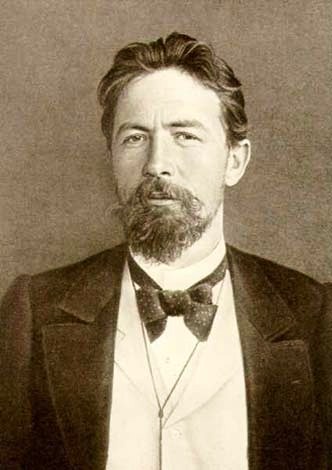
Anton Chekhov on the 8 Qualities of Cultured People

by

“In order to feel comfortable among educated people, to be at home and happy with them, one must be cultured to a certain extent.”

What does it mean to be “cultured”? Is it about being a good reader, or knowing how to talk about books you haven’t read, or having a general disposition of intellectual elegance? That’s precisely the question beloved Russian author Anton Chekhov (1860-1904) considers in a letter to his older brother Nikolai, an artist. The missive, written when Anton was 26 and Nikolai 28 and found in Letters of Anton Chekhov to his Family and Friends (public domain; public library), dispenses a hearty dose of tough love and outlines the eight qualities of cultured people — including honesty, altruism, and good habits:

MOSCOW, 1886.

… You have often complained to me that people “don’t understand you”! Goethe and Newton did not complain of that…. Only Christ complained of it, but He was speaking of His doctrine and not of Himself…. People understand you perfectly well. And if you do not understand yourself, it is not their fault.

I assure you as a brother and as a friend I understand you and feel for you with all my heart. I know your good qualities as I know my five fingers; I value and deeply respect them. If you like, to prove that I understand you, I can enumerate those qualities. I think you are kind to the point of softness, magnanimous, unselfish, ready to share your last farthing; you have no envy nor hatred; you are simple-hearted, you pity men and beasts; you are trustful, without spite or guile, and do not remember evil…. You have a gift from above such as other people have not: you have talent. This talent places you above millions of men, for on earth only one out of two millions is an artist. Your talent sets you apart: if you were a toad or a tarantula, even then, people would respect you, for to talent all things are forgiven.

You have only one failing, and the falseness of your position, and your unhappiness and your catarrh of the bowels are all due to it. That is your utter lack of culture. Forgive me, please, but veritas magis amicitiae…. You see, life has its conditions. In order to feel comfortable among educated people, to be at home and happy with them, one must be cultured to a certain extent. Talent has brought you into such a circle, you belong to it, but … you are drawn away from it, and you vacillate between cultured people and the lodgers vis-a-vis.

Cultured people must, in my opinion, satisfy the following conditions:

  1. They respect human personality, and therefore they are always kind, gentle, polite, and ready to give in to others. They do not make a row because of a hammer or a lost piece of india-rubber; if they live with anyone they do not regard it as a favour and, going away, they do not say “nobody can live with you.” They forgive noise and cold and dried-up meat and witticisms and the presence of strangers in their homes.
  2. They have sympathy not for beggars and cats alone. Their heart aches for what the eye does not see…. They sit up at night in order to help P…., to pay for brothers at the University, and to buy clothes for their mother.
  3. They respect the property of others, and therefor pay their debts.
  4. They are sincere, and dread lying like fire. They don’t lie even in small things. A lie is insulting to the listener and puts him in a lower position in the eyes of the speaker. They do not pose, they behave in the street as they do at home, they do not show off before their humbler comrades. They are not given to babbling and forcing their uninvited confidences on others. Out of respect for other people’s ears they more often keep silent than talk.
  5. They do not disparage themselves to rouse compassion. They do not play on the strings of other people’s hearts so that they may sigh and make much of them. They do not say “I am misunderstood,” or “I have become second-rate,” because all this is striving after cheap effect, is vulgar, stale, false….
  6. They have no shallow vanity. They do not care for such false diamonds as knowing celebrities, shaking hands with the drunken P., [Translator’s Note: Probably Palmin, a minor poet.] listening to the raptures of a stray spectator in a picture show, being renowned in the taverns…. If they do a pennyworth they do not strut about as though they had done a hundred roubles’ worth, and do not brag of having the entry where others are not admitted…. The truly talented always keep in obscurity among the crowd, as far as possible from advertisement…. Even Krylov has said that an empty barrel echoes more loudly than a full one.
  7. If they have a talent they respect it. They sacrifice to it rest, women, wine, vanity…. They are proud of their talent…. Besides, they are fastidious.
  8. They develop the aesthetic feeling in themselves. They cannot go to sleep in their clothes, see cracks full of bugs on the walls, breathe bad air, walk on a floor that has been spat upon, cook their meals over an oil stove. They seek as far as possible to restrain and ennoble the sexual instinct…. What they want in a woman is not a bed-fellow … They do not ask for the cleverness which shows itself in continual lying. They want especially, if they are artists, freshness, elegance, humanity, the capacity for motherhood…. They do not swill vodka at all hours of the day and night, do not sniff at cupboards, for they are not pigs and know they are not. They drink only when they are free, on occasion…. For they want mens sana in corpore sano [a healthy mind in a healthy body].

And so on. This is what cultured people are like. In order to be cultured and not to stand below the level of your surroundings it is not enough to have read “The Pickwick Papers” and learnt a monologue from “Faust.” …

What is needed is constant work, day and night, constant reading, study, will…. Every hour is precious for it…. Come to us, smash the vodka bottle, lie down and read…. Turgenev, if you like, whom you have not read.

You must drop your vanity, you are not a child … you will soon be thirty.
It is time!
I expect you…. We all expect you.